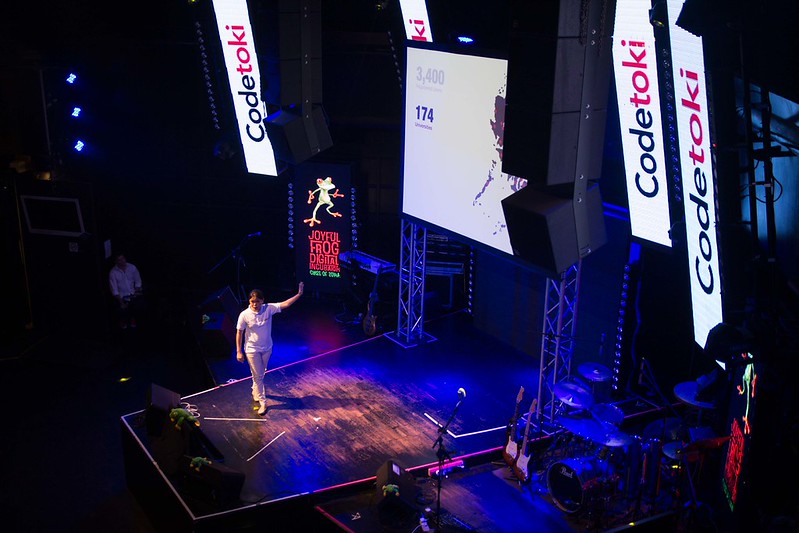
Codetoki
Co-founded a venture-backed, two-sided coding platform connecting CS students with employers. Designed and built the full product end-to-end.
Building has always been the part of the work that pulls me in most. I find real joy in the creation process: turning an idea into something people can use, shaping the product, and learning from what happens once it meets the world.
My career started with that instinct. I created my own design and development consultancy, and alongside it, co-founded Codetoki as a startup. That period gave me an early view of what it means to operate as a high-leverage individual contributor while wearing multiple hats: product strategy, design, front-end development, business metrics, stakeholder conversations, and investor expectations.
It was not easy, but it became foundational. It made me deeply curious about how things work, how different departments depend on each other, and how much coordination it takes to bring a product and company together. That founder journey shaped the way I see product work today: not as isolated execution, but as the combined effort of users, teams, business outcomes, and craft.
Codetoki was a seed-funded edtech startup I co-founded and relocated to Singapore to build.
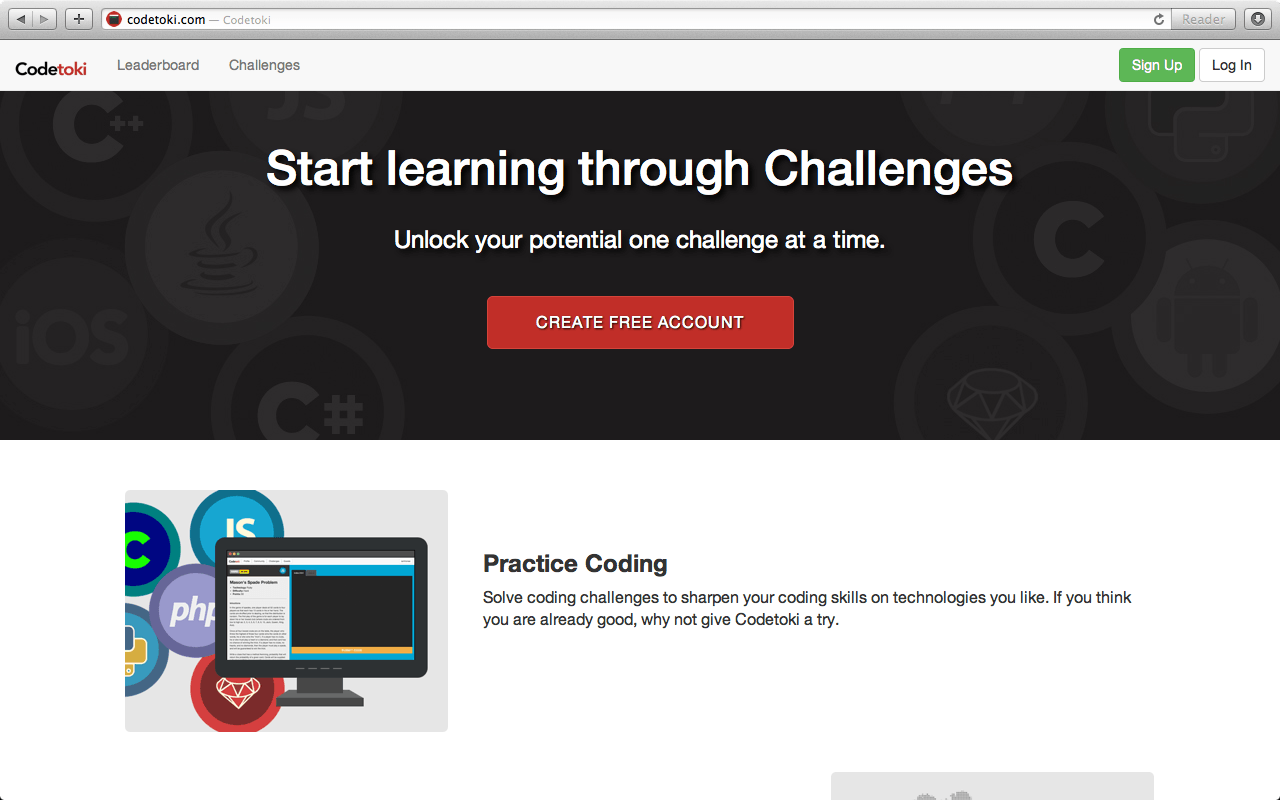
No Early-Stage Bridge
CS and IT students graduate without a clear signal of job-readiness. Employers spend time and money screening candidates who don't fit their stack or culture. There was no early-stage bridge between the two.

Two Sides, One Loop
Student Side
- Coding challenges in Ruby, JavaScript, and PHP
- Badges as verifiable proof of skill completion
- In-platform internship applications
- Progress tracking
Employer Side
- Contributed their own coding challenges — shaping the talent pipeline around their actual stack
- Posted internship opportunities directly on the platform
- Browsed student badge portfolios
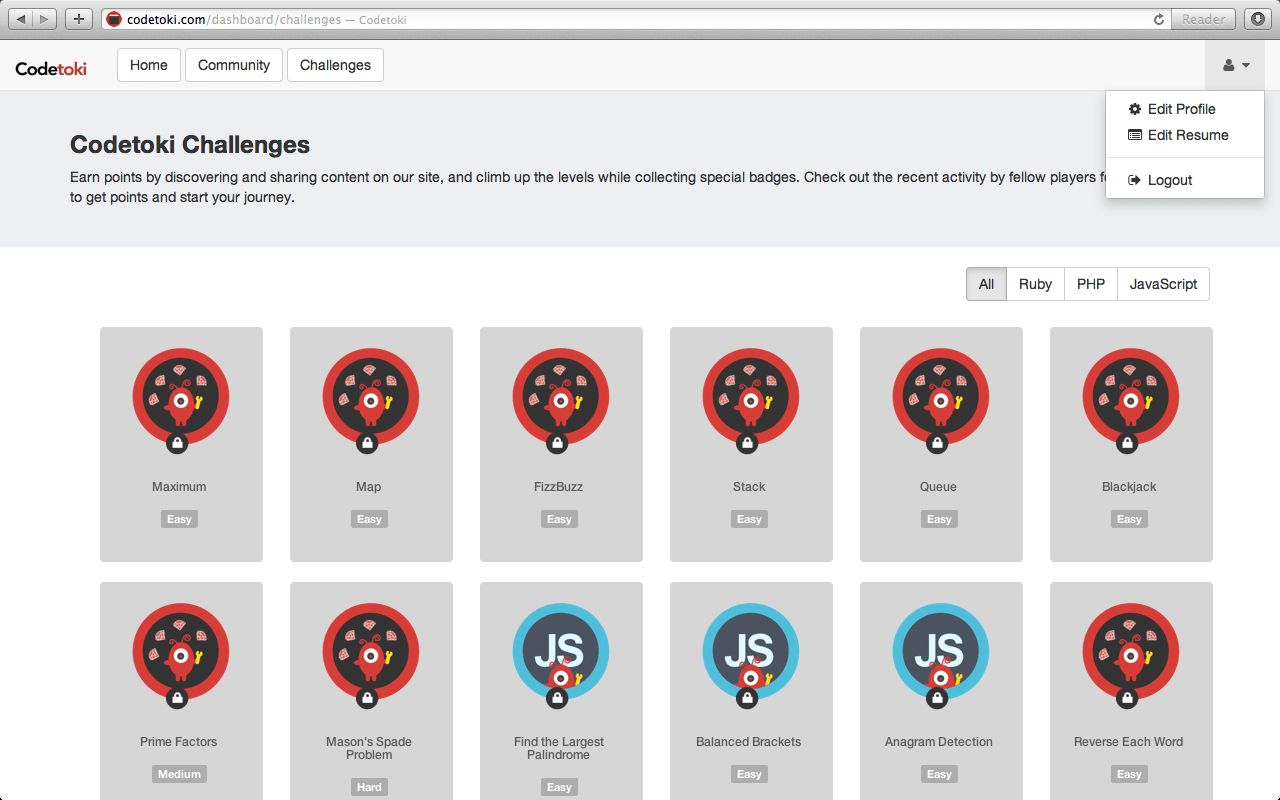
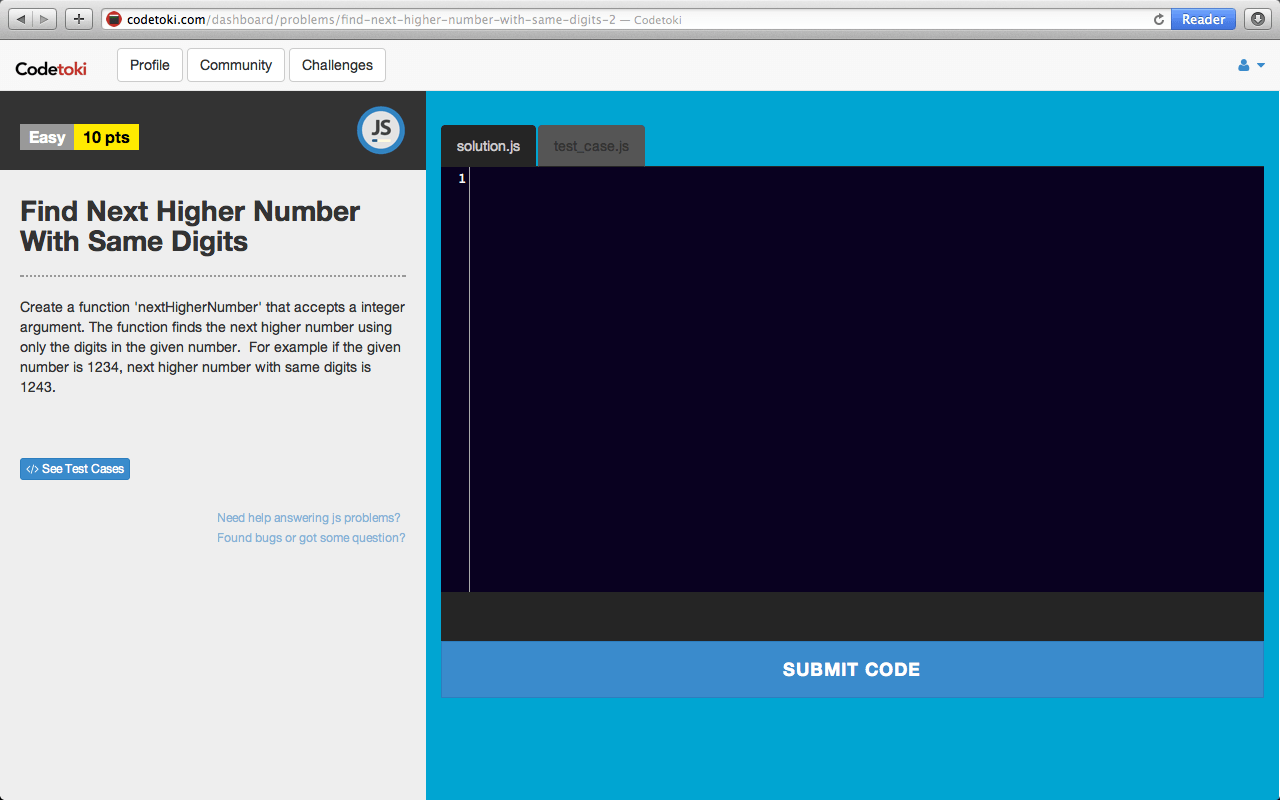
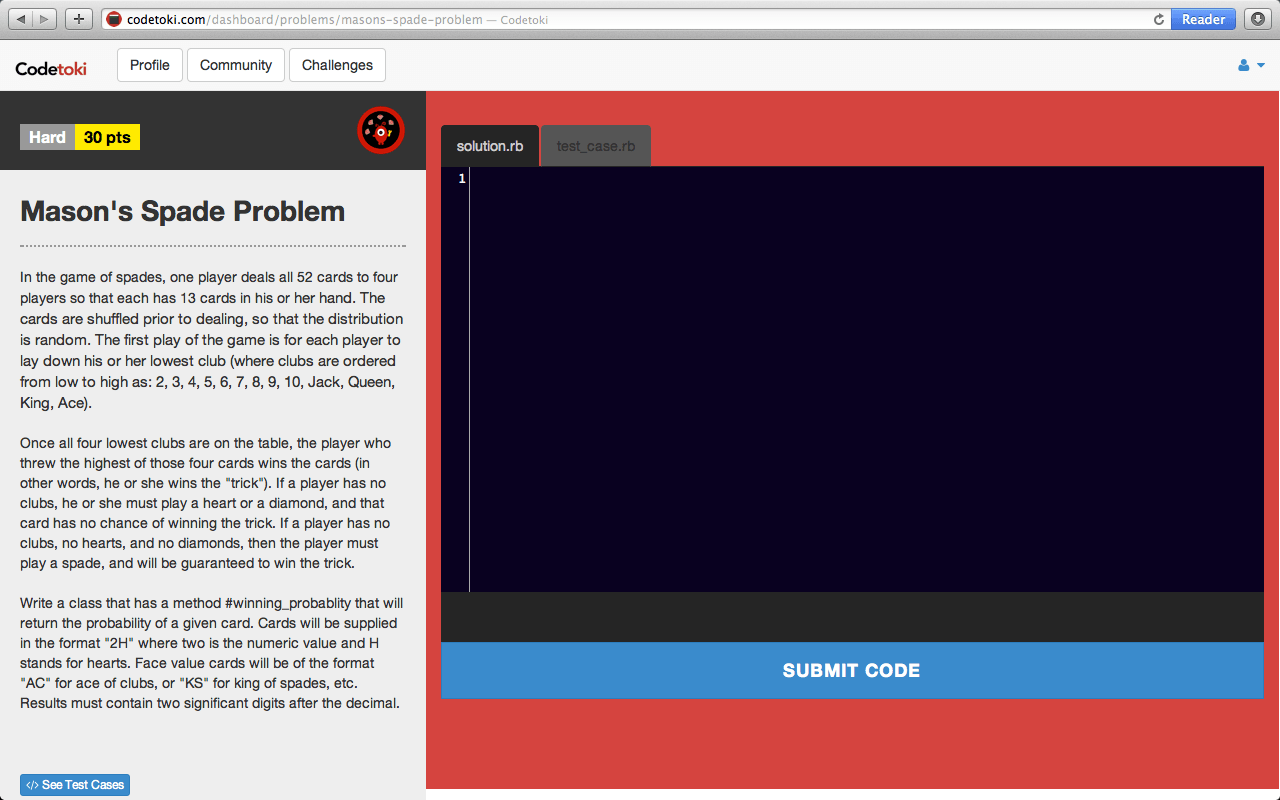
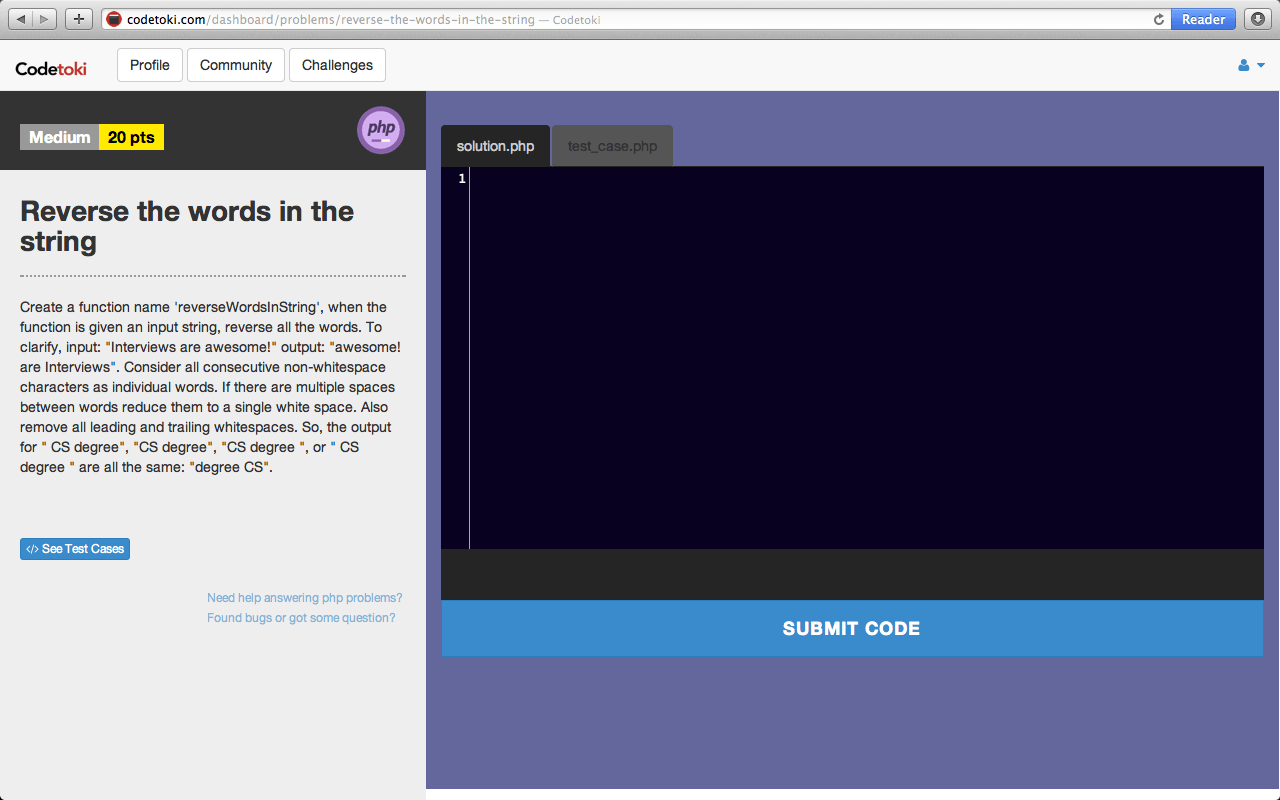
Codetoki ran as a real product, not a portfolio prototype: students completed challenges, employers contributed hiring-oriented prompts, and the company operated through the JFDI accelerator period in Singapore.
The archived brand and interface captures preserve the product's positioning, visual system, and core interaction model.