01 — Last minute
I almost didn't go.
A friend told me about UX Camp Amsterdam a few weeks earlier, but the week had already filled up and I assumed I would not have the time.
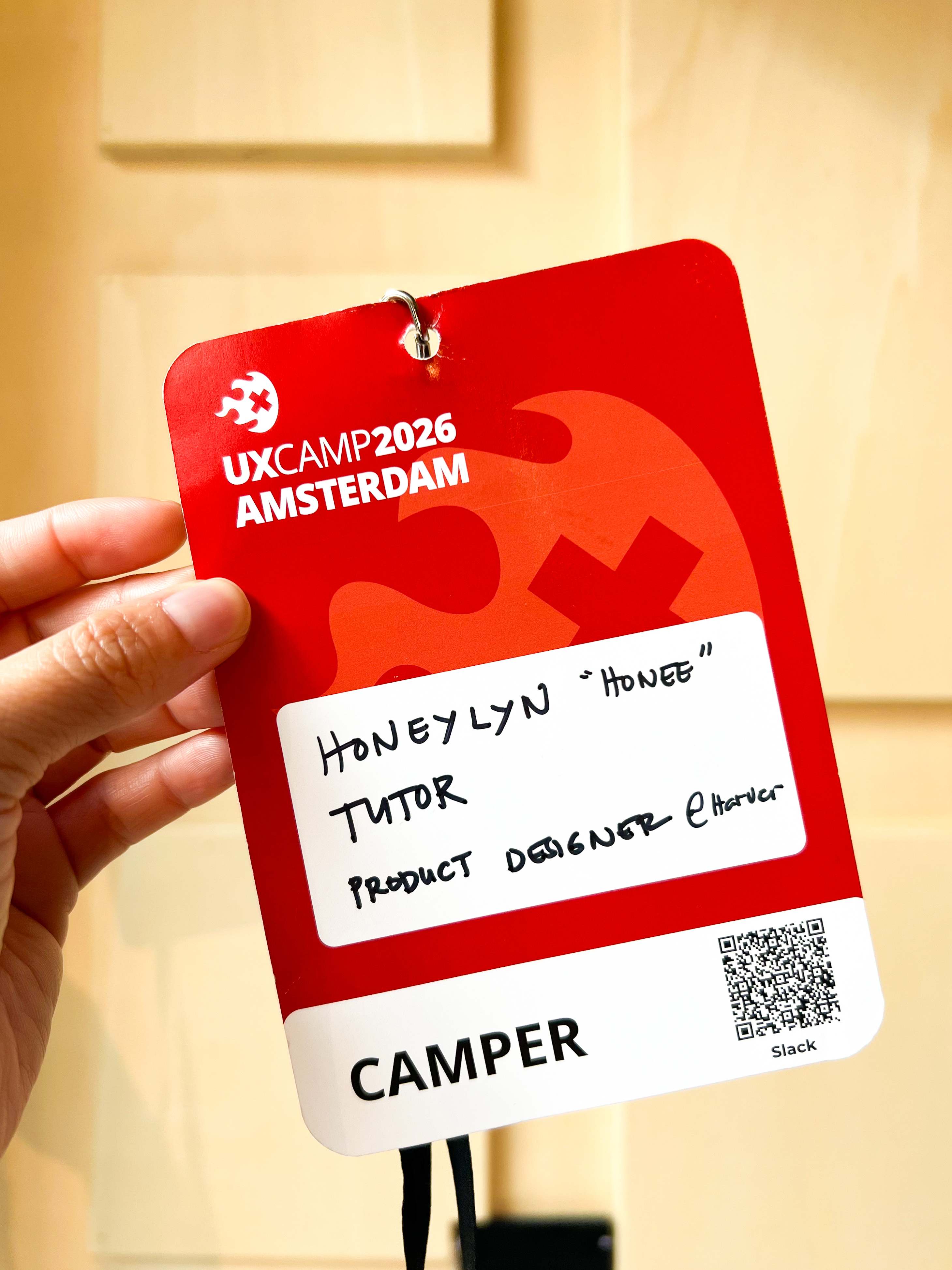
Then I decided at the last minute to show up anyway, which explains the unofficial badge.
02 — Worth it
I'm really happy I did.
This was my first time attending and it immediately felt different from a typical conference.
There was no fixed agenda, no invited speaker lineup, and no polished program dictating what the day had to be.
03 — Open space
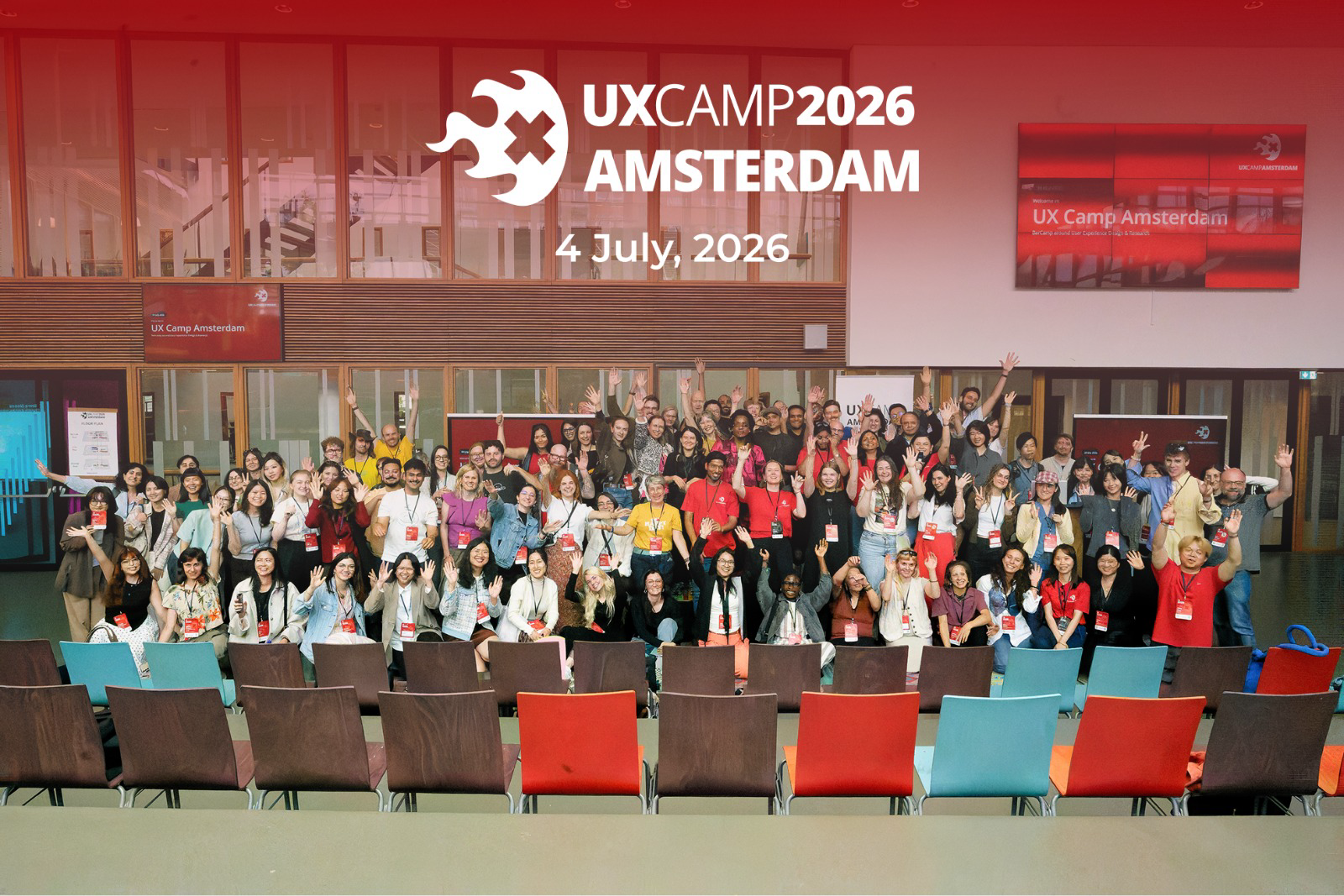
Everyone arrived with something to share.
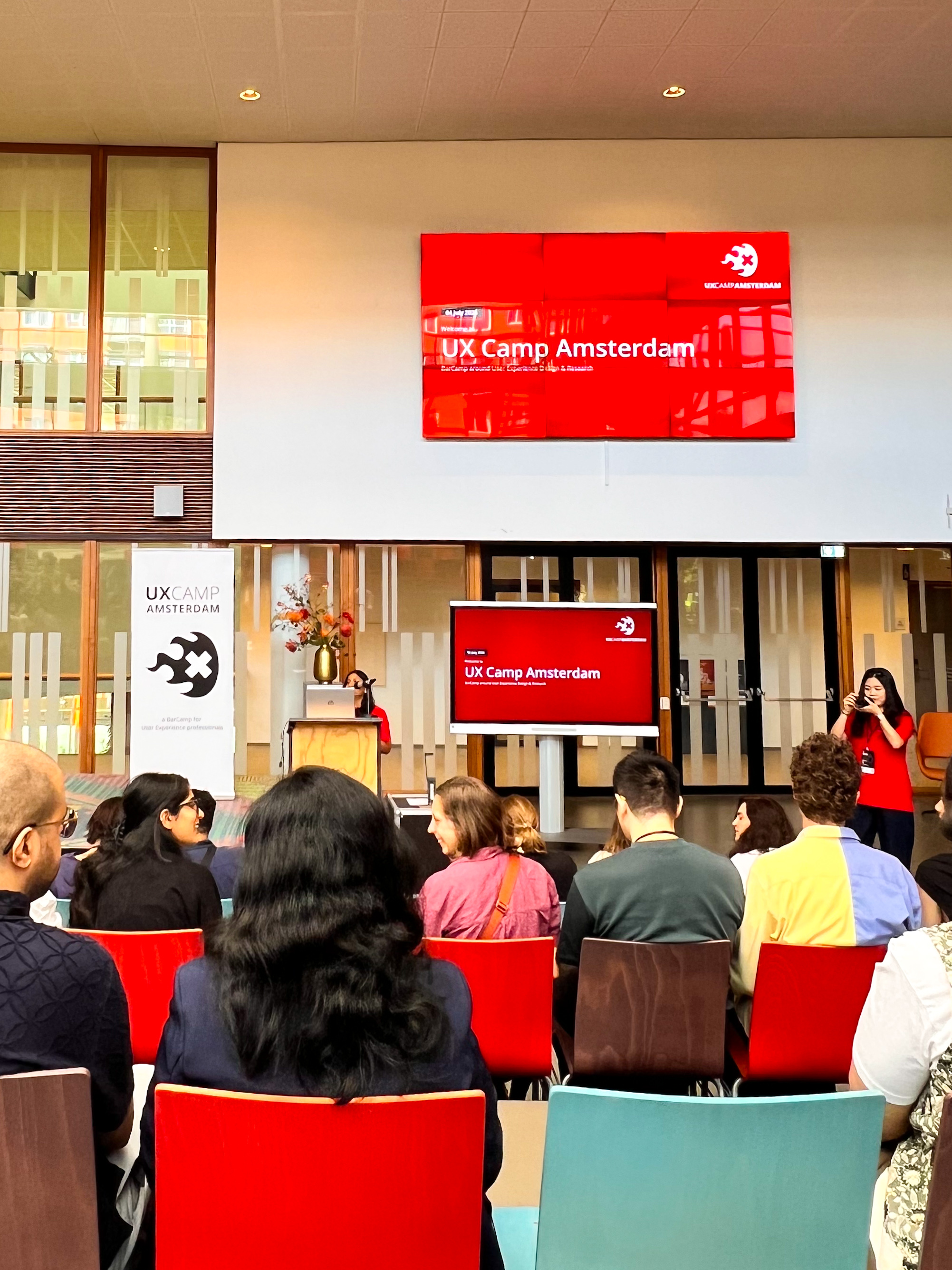
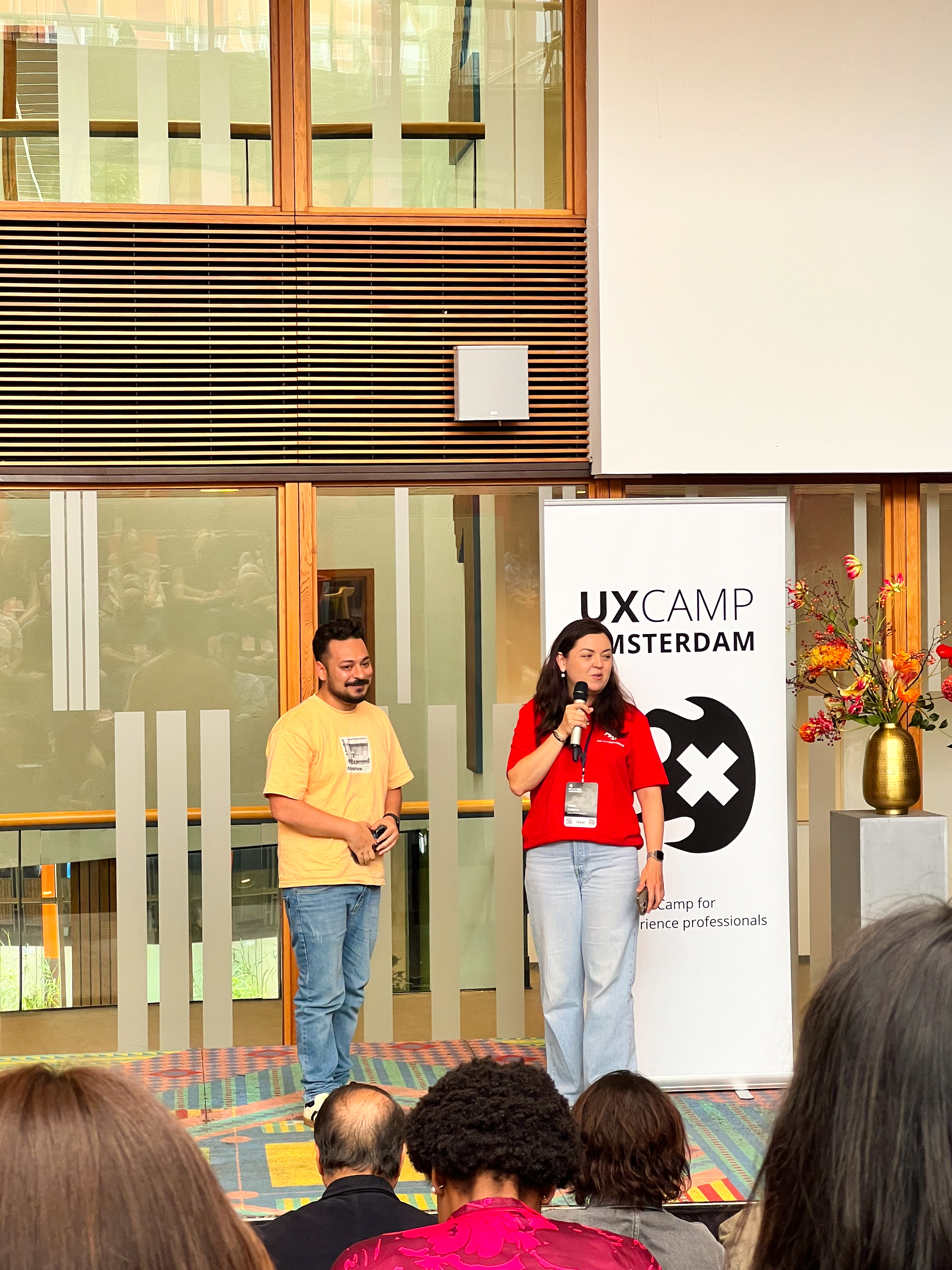
People came in carrying ideas for talks, workshops, and discussions. The event started with attendees pitching those ideas to the room.
That simple structure changed the tone immediately. It felt participatory from the first minutes.
04 — Built live
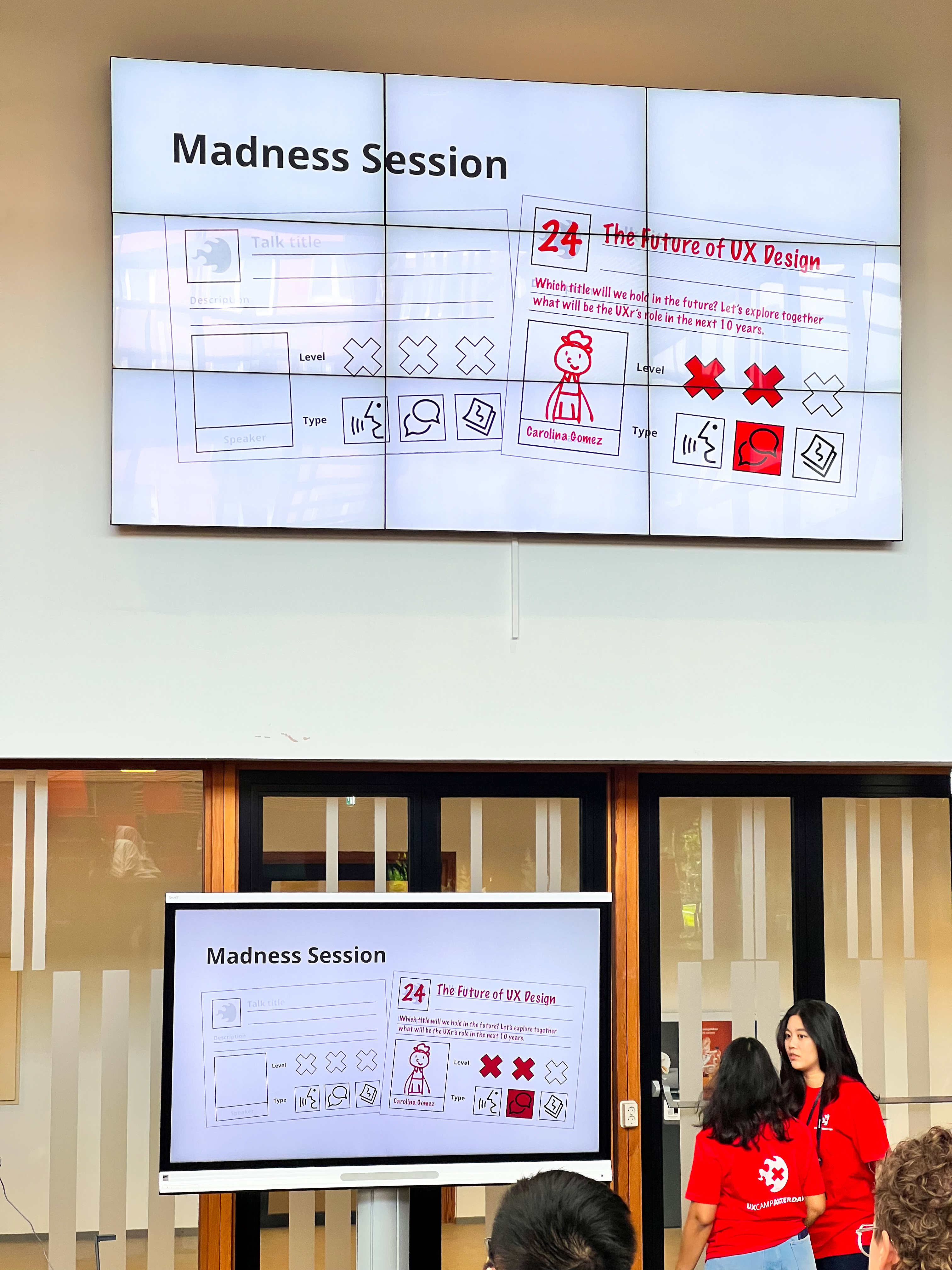
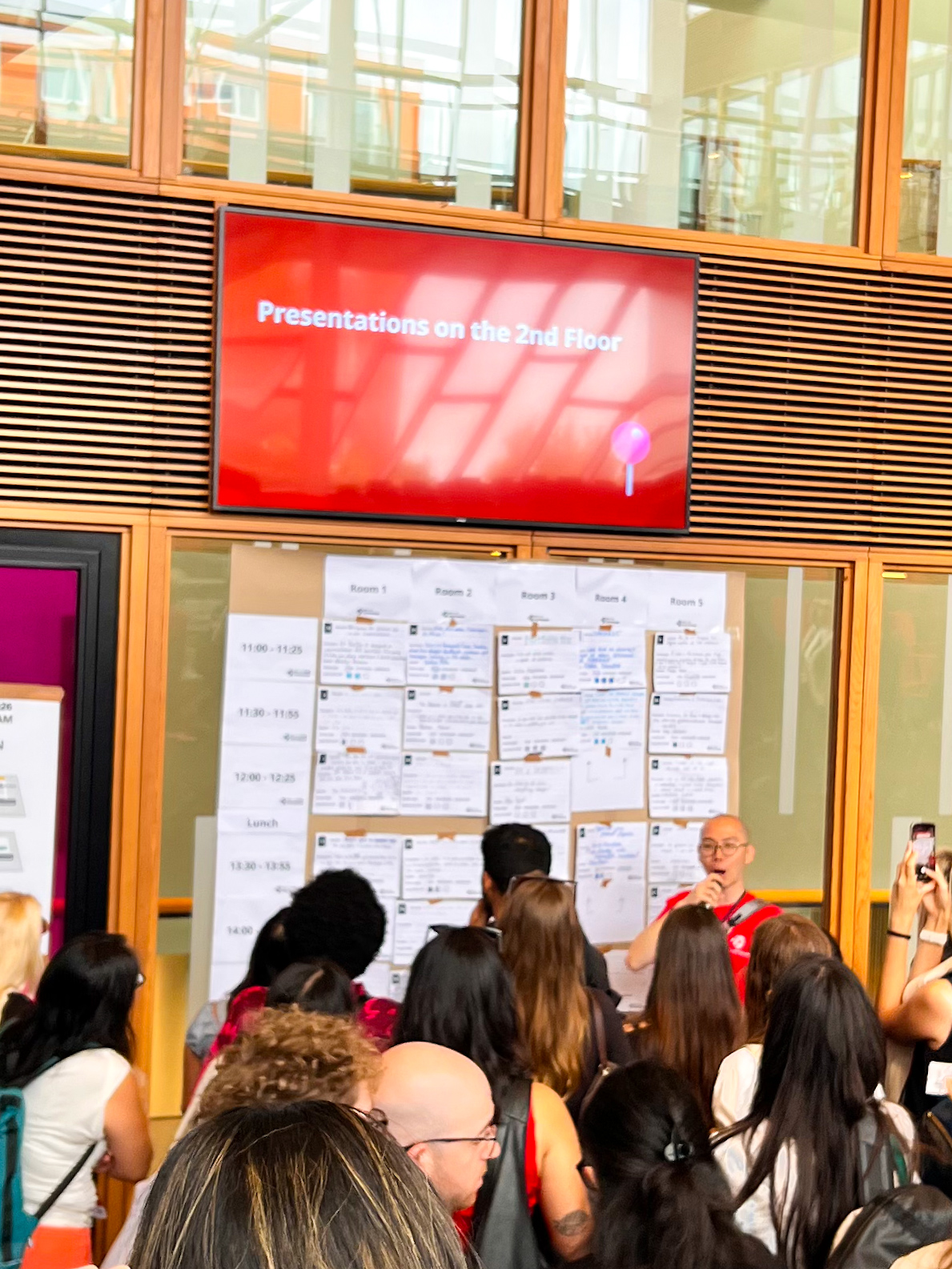
The whole schedule was created by the community.
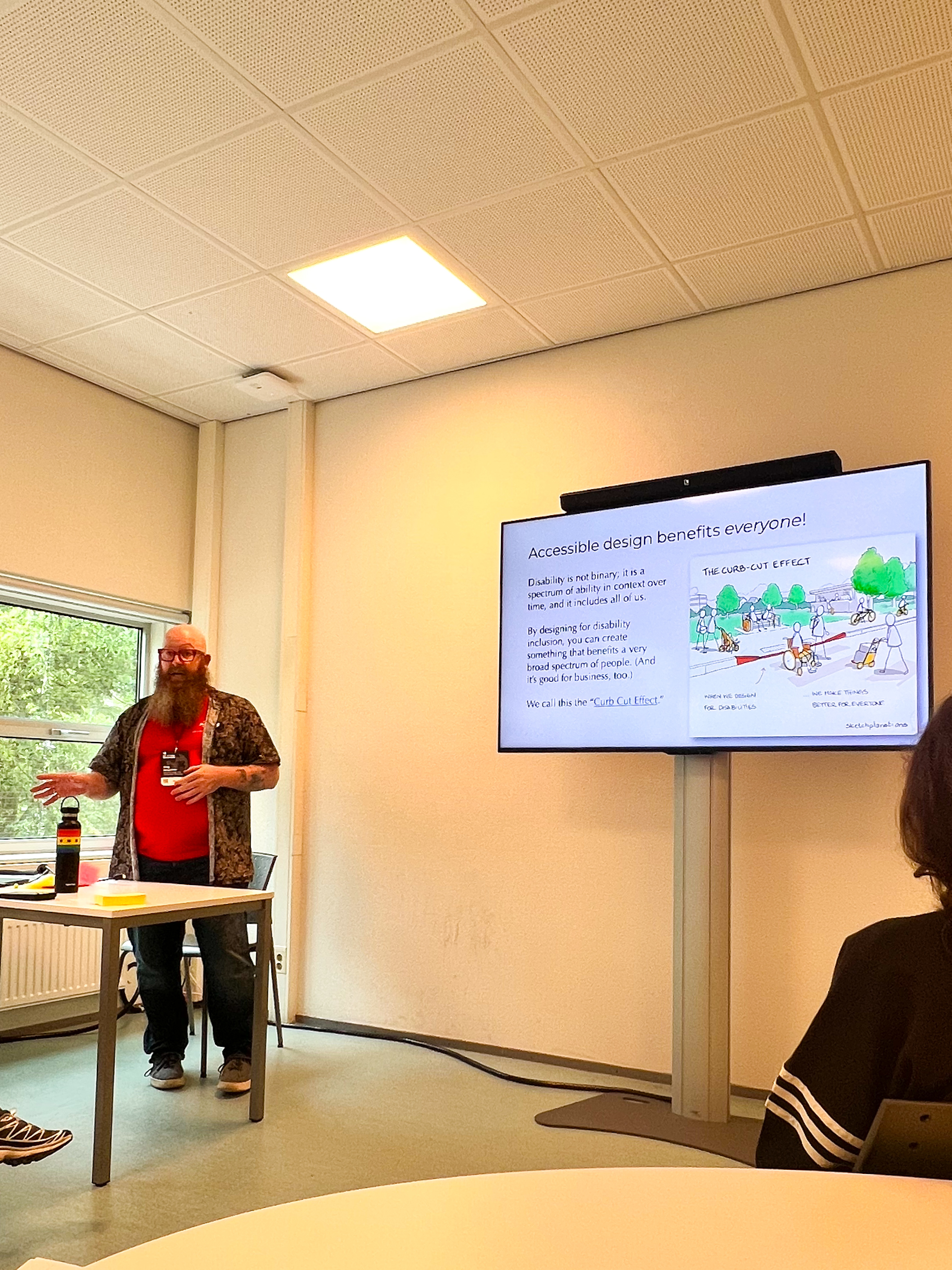
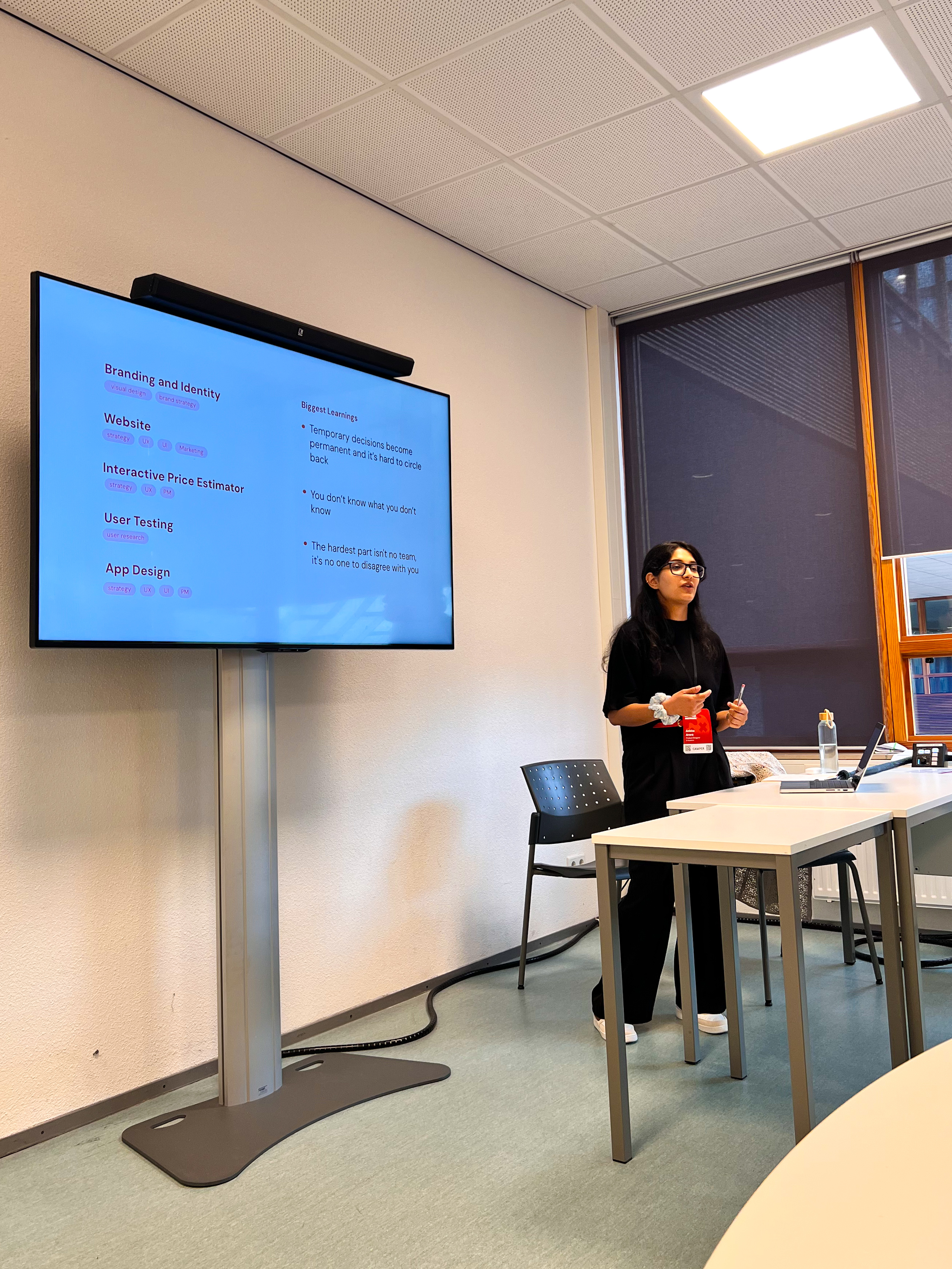
Within minutes, the full day program existed. Sessions were spread across five rooms, shaped in real time by the people who showed up.
That format made the event feel alive. It was less about consuming talks and more about building the day together.
05 — Following curiosity
I spent the day moving between conversations.
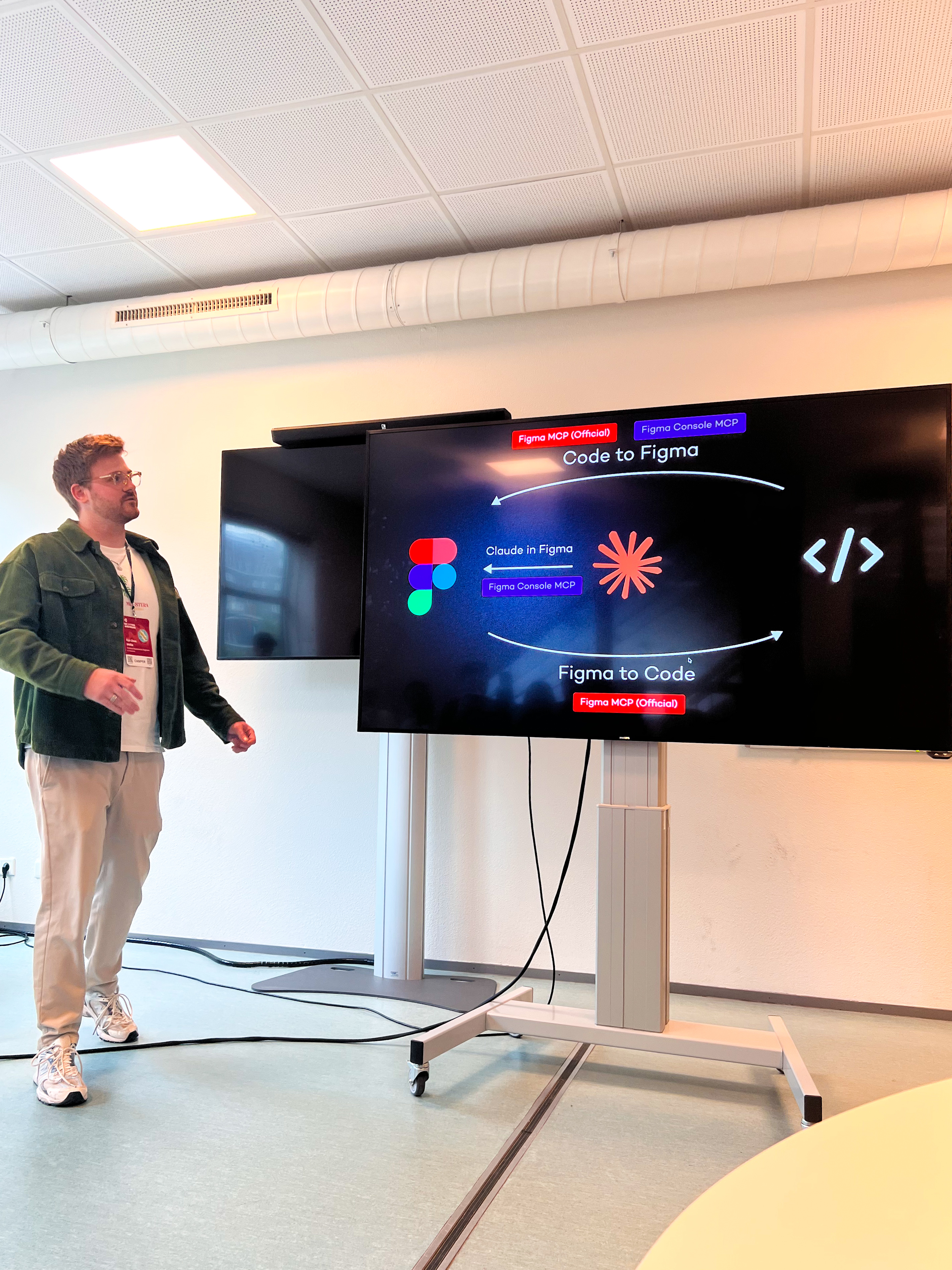
I jumped between discussions on AI, MCPs, accessibility, design leadership, solo design teams, and the evolving role of UX designers.
The variety mattered. The sessions were different, but they all circled around how the work is changing.
06 — One talk
A clearer mental model for this transition.
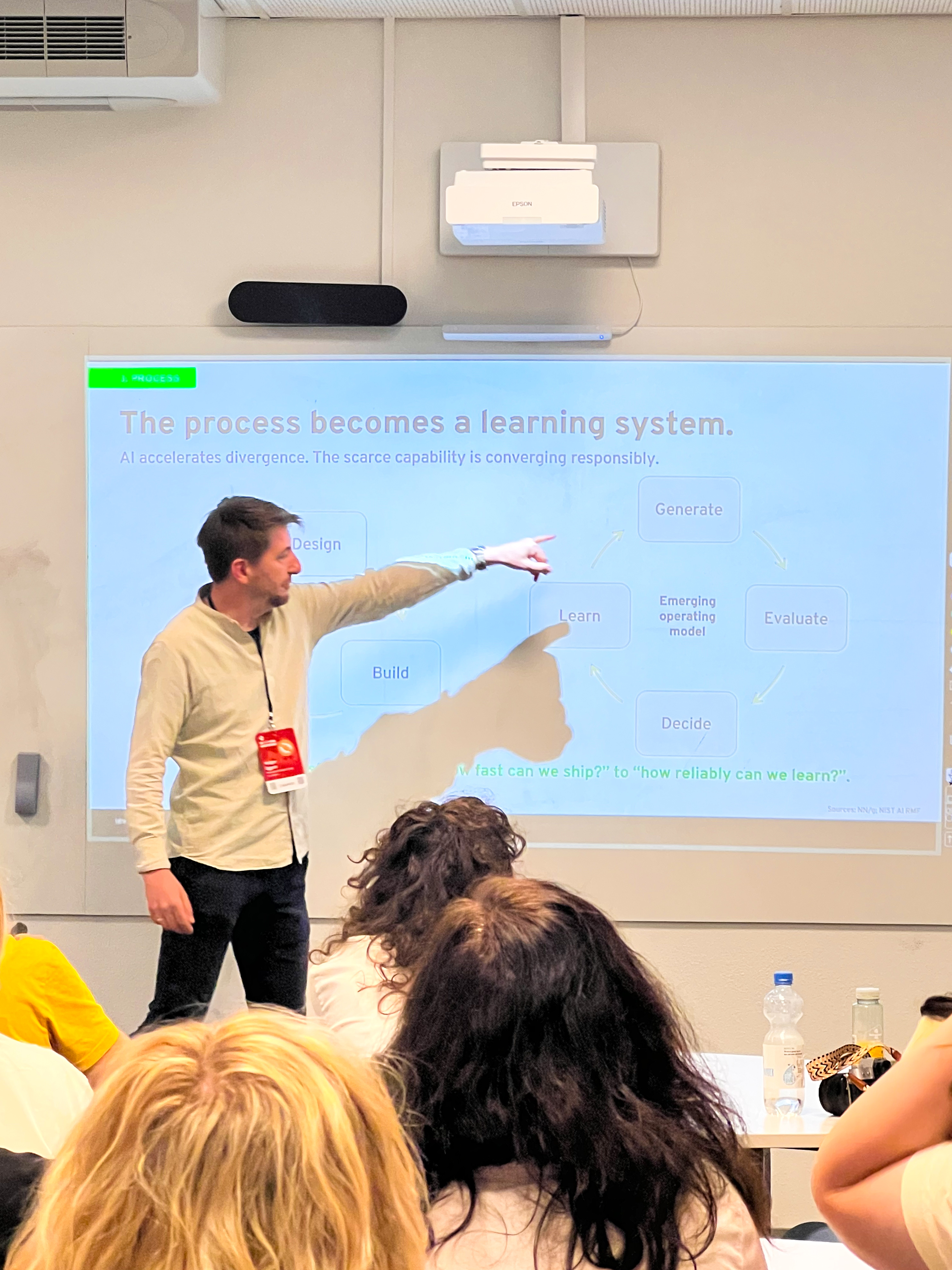
One session that stayed with me was Holger Eggert's User Experience Design was always ALIVE.
He shared a practical way to think about the AI transformation and where our attention should be focused. It gave me a much clearer model for navigating what is happening across the industry.
07 — Naturally
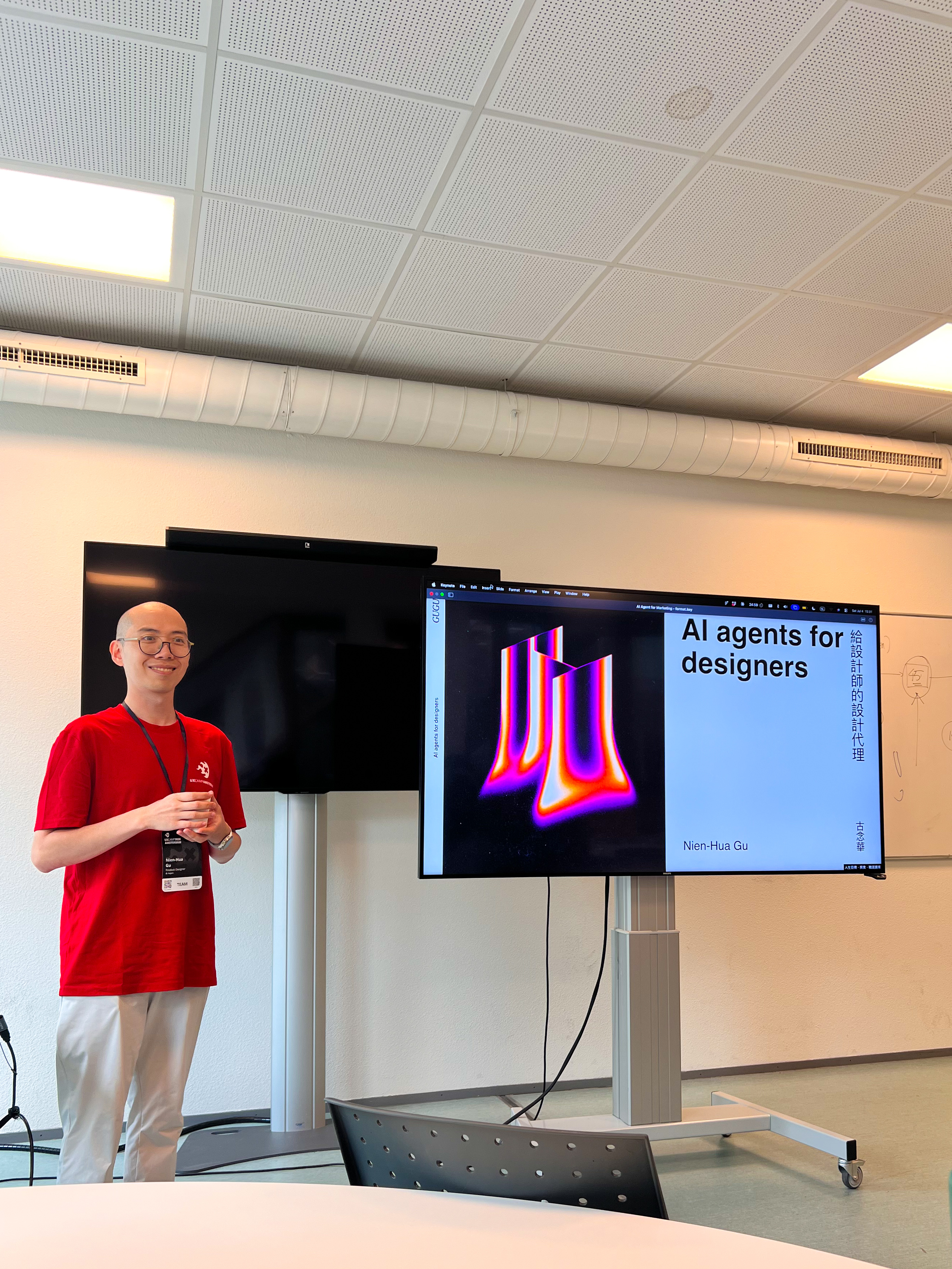
AI showed up in almost every room.
That was not surprising, but the repetition became funny. You could hear speakers joking, "Here's another AI talk."
Still, the joke never made the sessions feel repetitive. Each session brought its own perspective, challenges, and lived experience with the tools.
08 — What mattered
The discussions stayed grounded in reality.
What I loved was that people were not performing hype or making big predictions. They openly shared how their teams are using AI today, how workflows are shifting, what has worked, what has not, and where they are still experimenting.
That honesty made the conversations more valuable than a polished presentation ever could.
09 — Biggest learning
This is another chapter, not the end of designers.
My biggest takeaway is that this is not something to resist. Designers have adapted repeatedly: from physical design methods to digital tools, from Sketch to Figma, and now toward AI-native workflows with tools like Claude and Codex.
This feels like the next era, not the death of the discipline.
10 — Inside teams
Changing fast is not the same as bringing people with you.
One idea I keep reflecting on is how we communicate this transformation inside our own teams.
Moving quickly is one challenge. Helping people understand why we are changing, adapting, or choosing a new way of working is another.
11 — IxDF
It was good to see that community in the room.
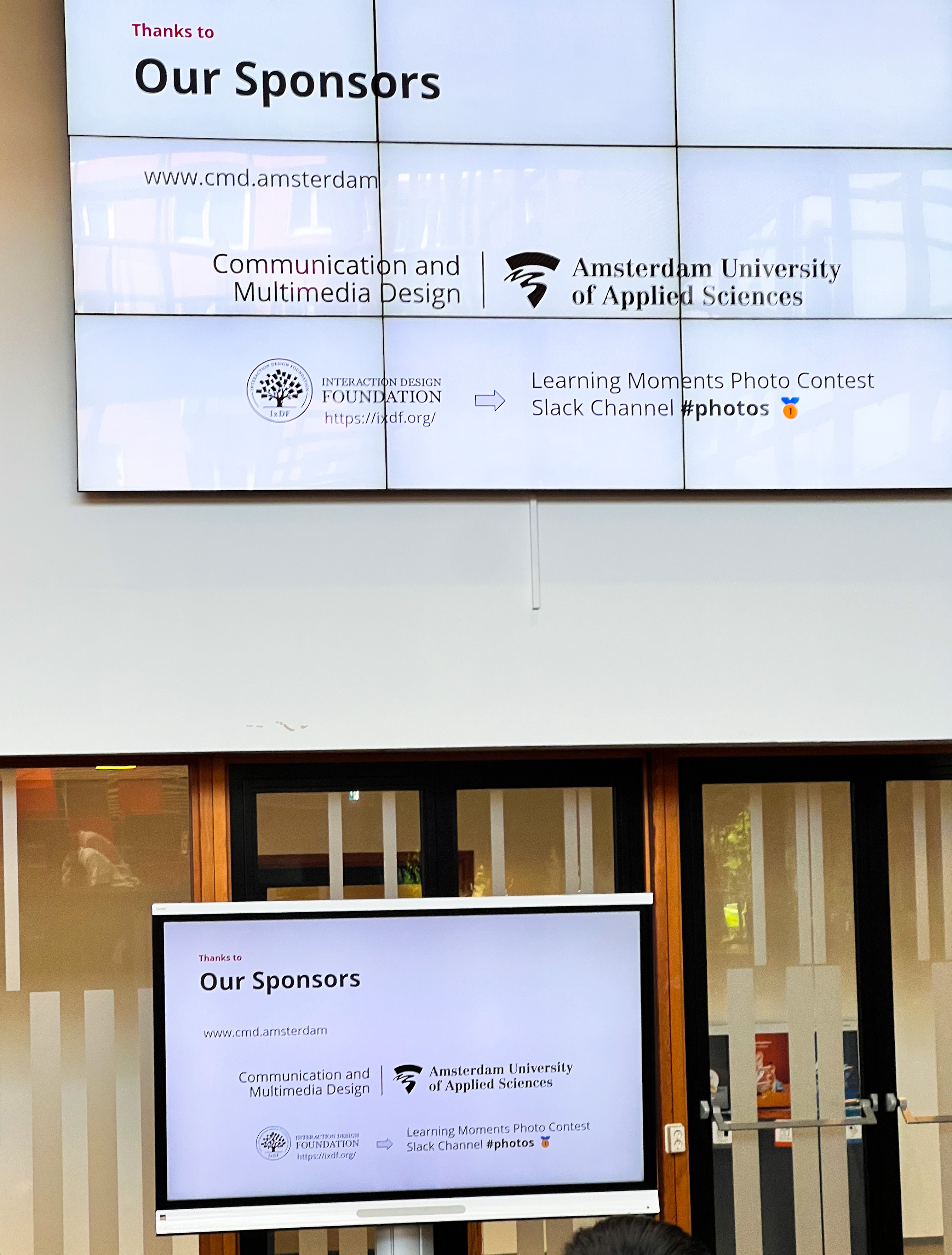
It was also great seeing the Interaction Design Foundation represented at the event.
As an IxDF member myself, that presence mattered. It made the day feel even more connected to the wider design community around Amsterdam.
12 — Umar
Meeting Umar made that connection more personal.
It was great meeting Umar, the Amsterdam Local Leader for IxDF, during the event.
That small moment stayed with me because it tied the day back to something I value just as much as the sessions themselves: community.