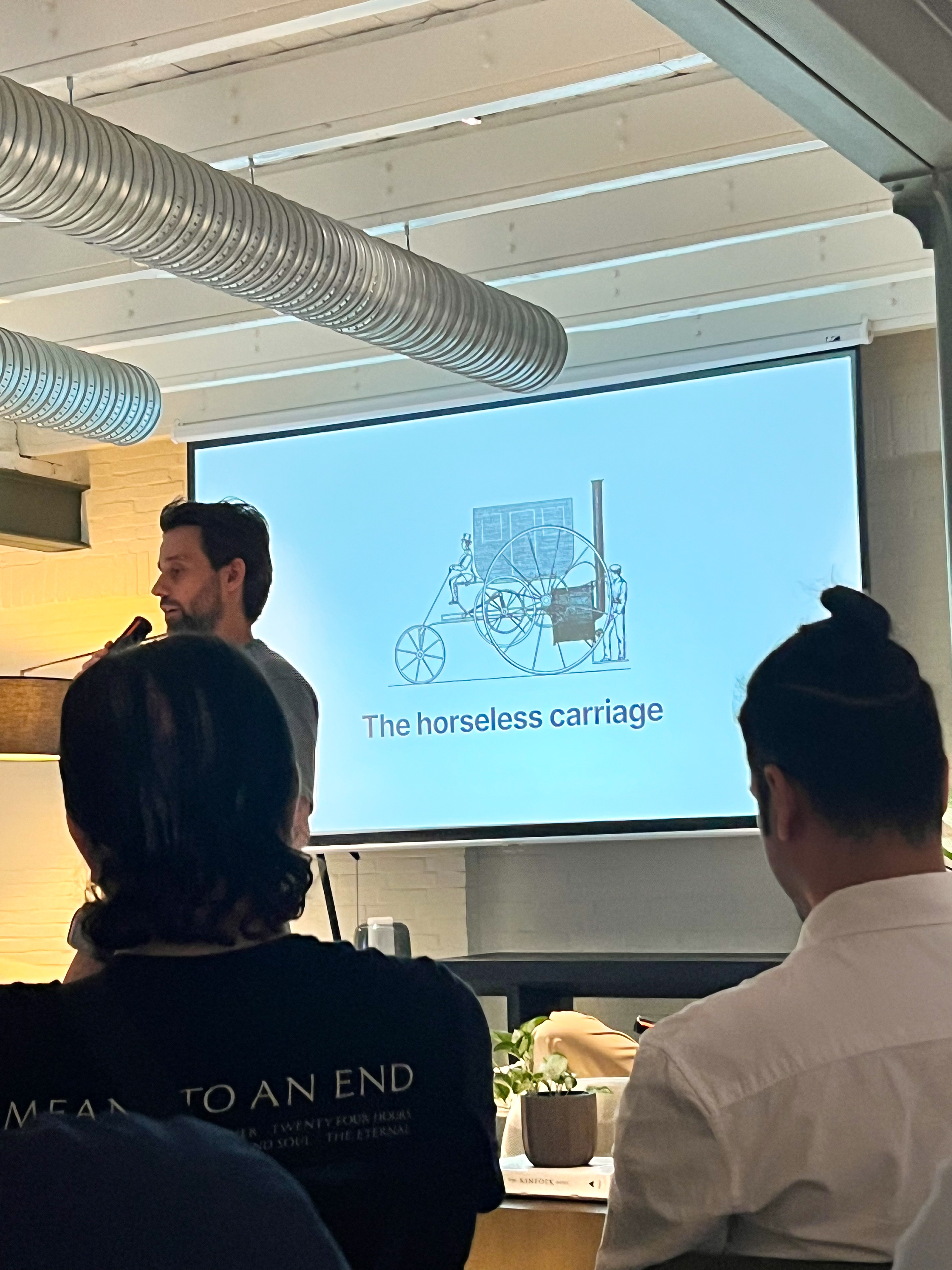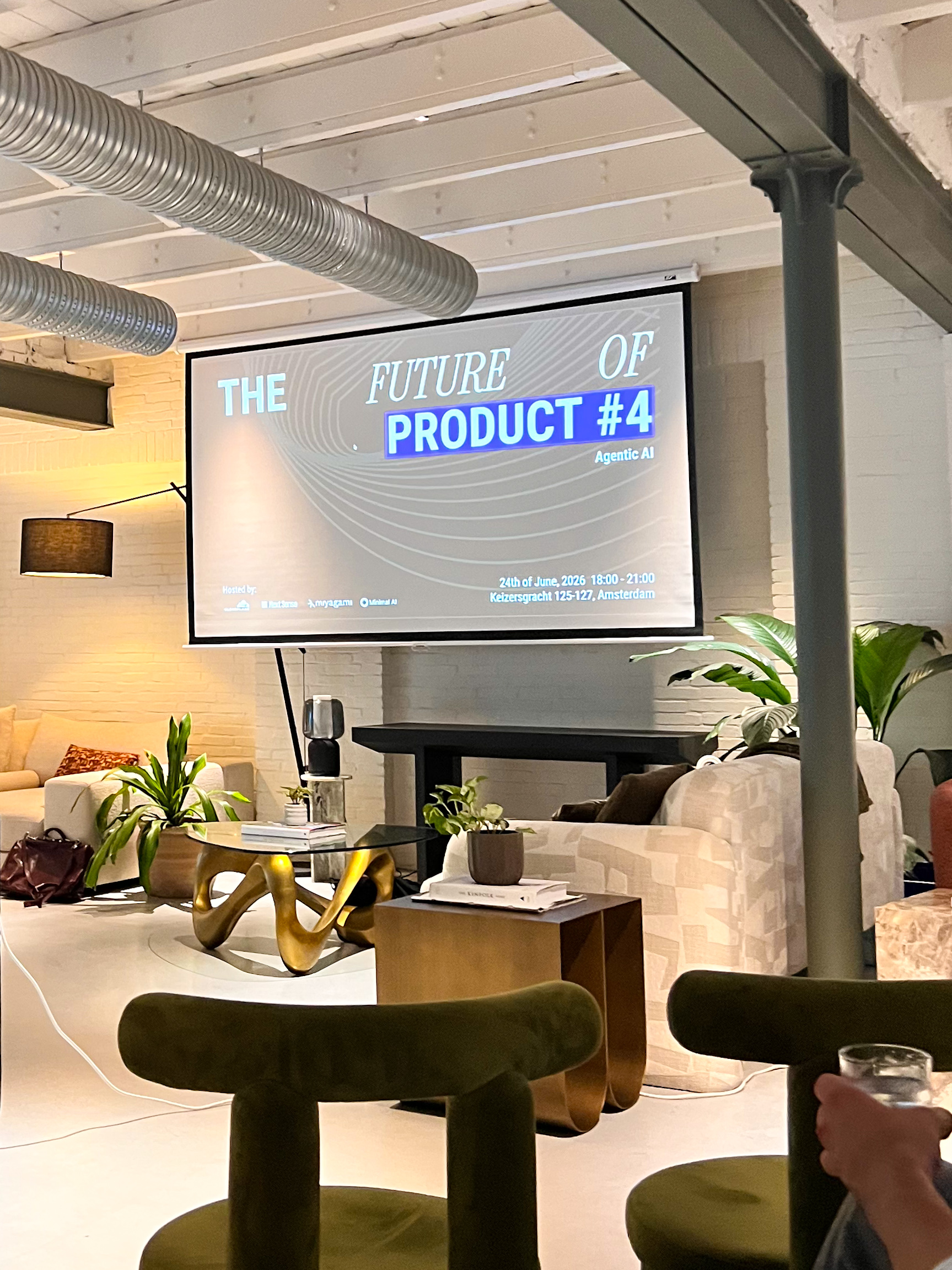
Define what the agent can do, what it must not do, and where the human line sits.
Agentic AI was presented as something that has already crossed from research concept into production reality. The examples were concrete: customer tickets, infrastructure, physical systems, and operational decisions happening at a scale that would have sounded speculative two years ago.
That changes the product question. It is no longer will AI agents become part of software? It is how do teams make autonomous systems legible, bounded, reliable, and useful enough to trust?
As someone whose work has evolved toward making design-dev handoff more seamless, this was especially interesting to sit with. Agentic AI makes the handoff feel less like a file or spec transfer and more like a shared operating model: what the system should do, how it should fail, and how humans stay able to understand and shape it.
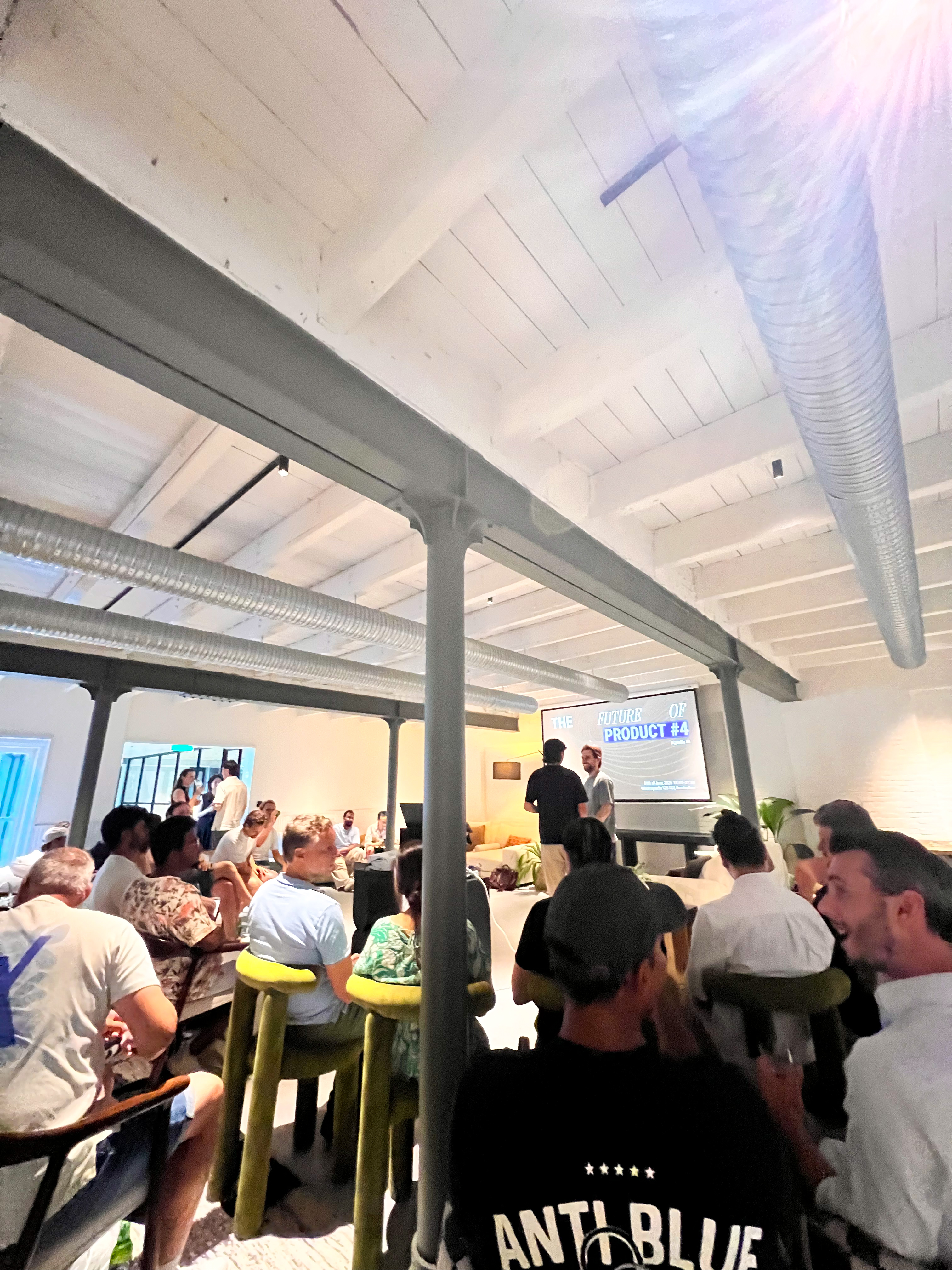
Agents make the interface less visible, but the product decisions more exposed.
When a system can act, route, decide, and recover, product design expands beyond screens. The experience includes constraints, escalation paths, monitoring, confidence, and the human handoff.
Minimal AI brought the clearest customer-facing case: AI support teams for e-commerce stores, resolving high-volume tickets across fragmented commerce stacks. Cloudflare made the infrastructure side visible: if agents are going to run in production, the platform beneath them has to handle security, performance, and scale. Next Sense grounded the conversation in physical buildings, where AI and data meet energy consumption and commercial real estate operations.
Different domains, same pattern: once agents leave the prototype, they become part of the operating model.
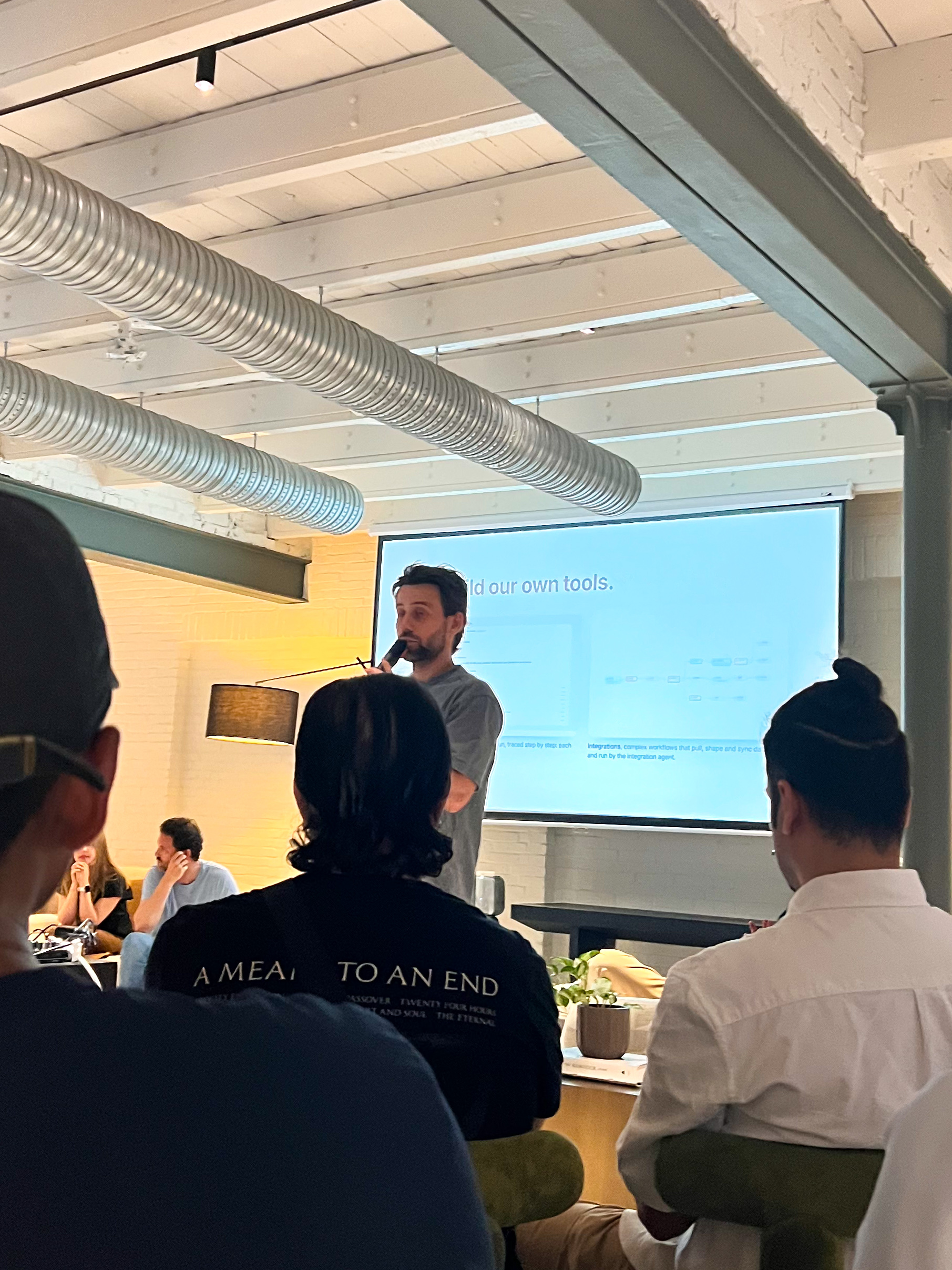
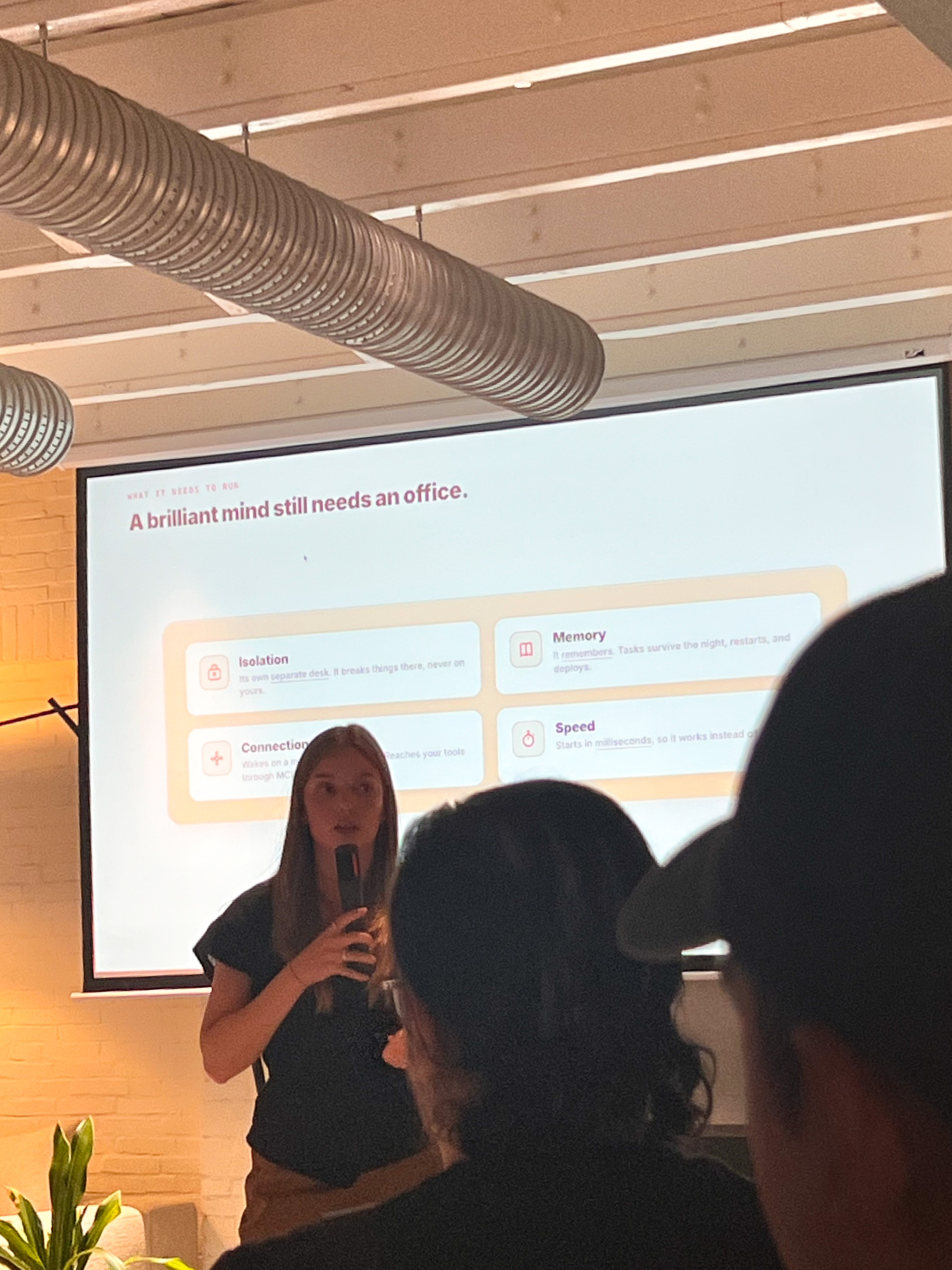
The more capable the agent, the more the team needs a vocabulary for responsibility: what it can decide alone, when it asks for help, what it records, and how a human understands what happened after the fact.
For product designers, this is a useful pressure test. We cannot only design the happy path. Agentic products need review surfaces, confidence cues, audit trails, override points, and explanations that are good enough for the people who inherit the agent's actions.
Make actions traceable. The user should be able to reconstruct why something happened.
Design for correction, rollback, escalation, and graceful failure from the start.