01 — Arrival
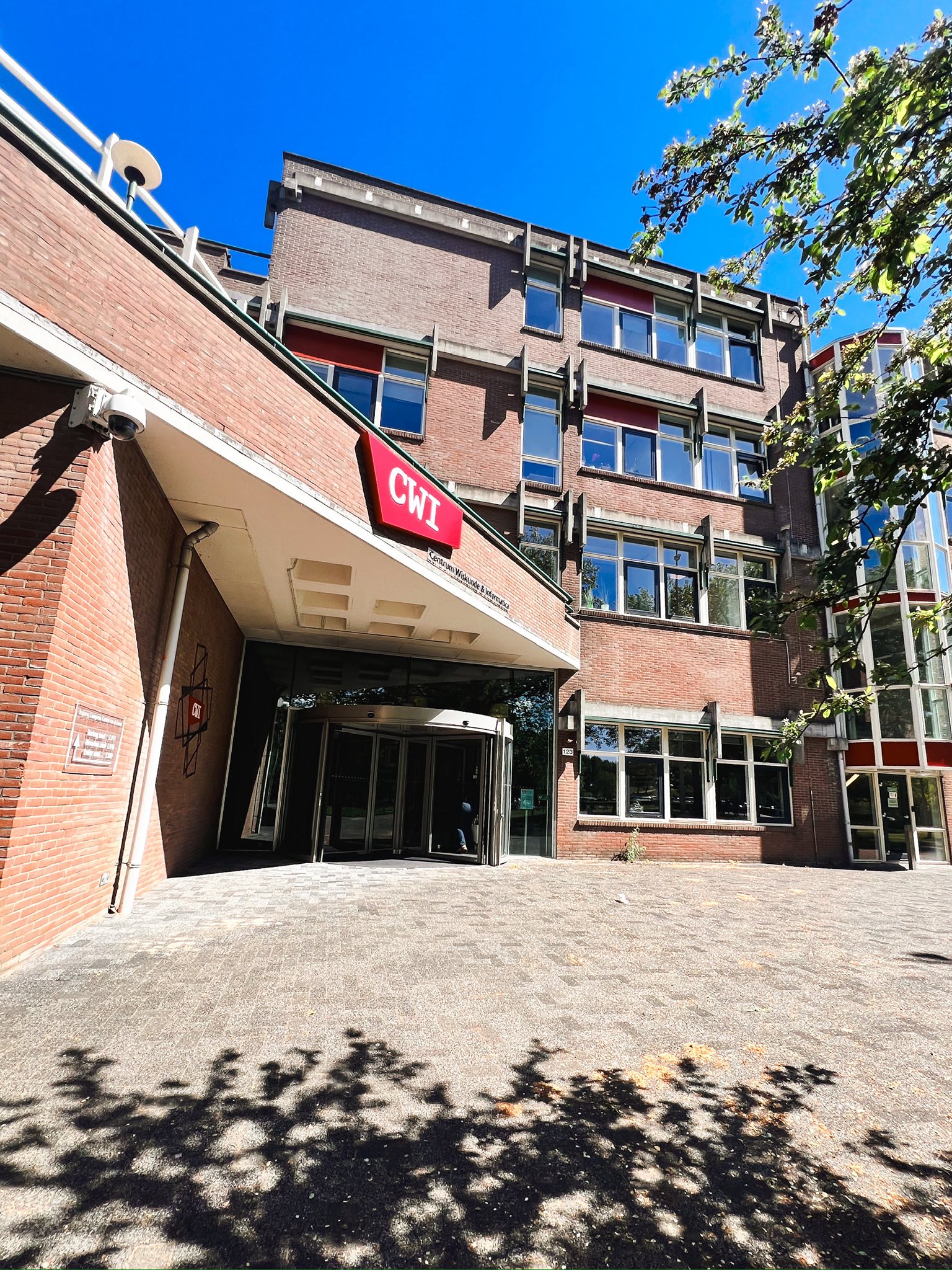
I'd passed this place before.
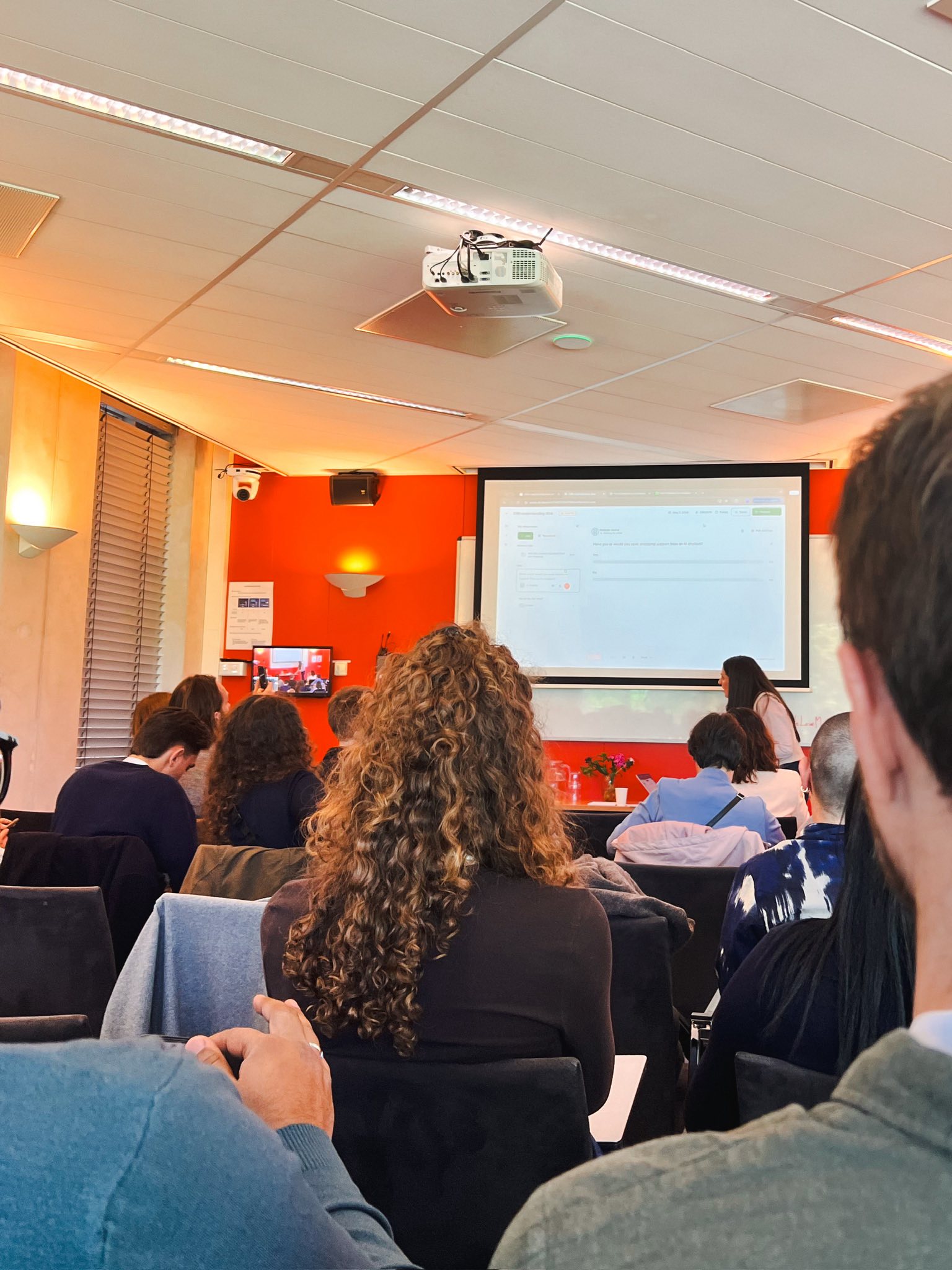
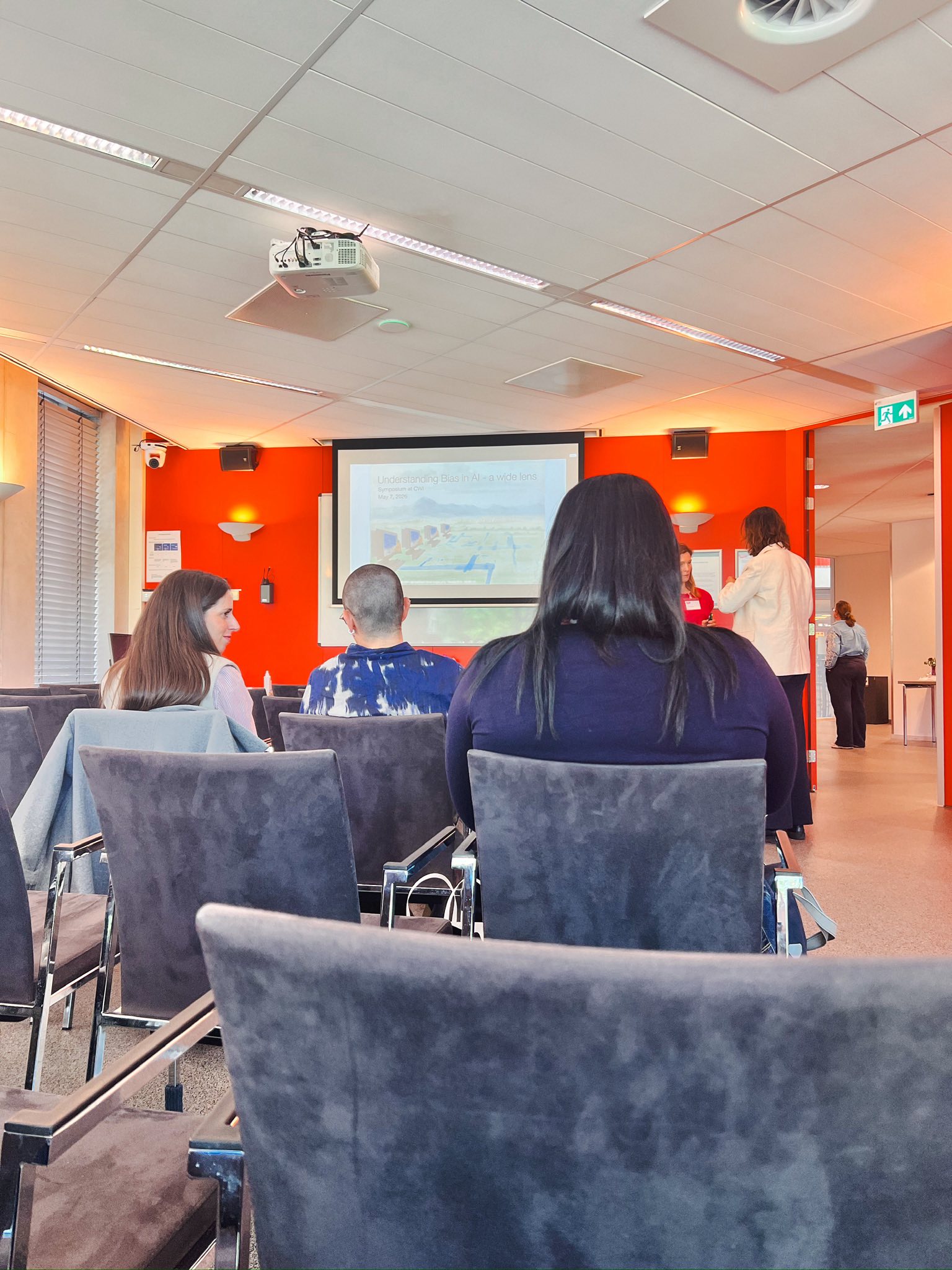
The symposium was held at CWI in Amsterdam Science Park, just beside the University of Amsterdam campus. I had walked by this area before — so finally getting inside felt like crossing a line I'd only ever looked at.
02 — The walk in
A different crowd this time.
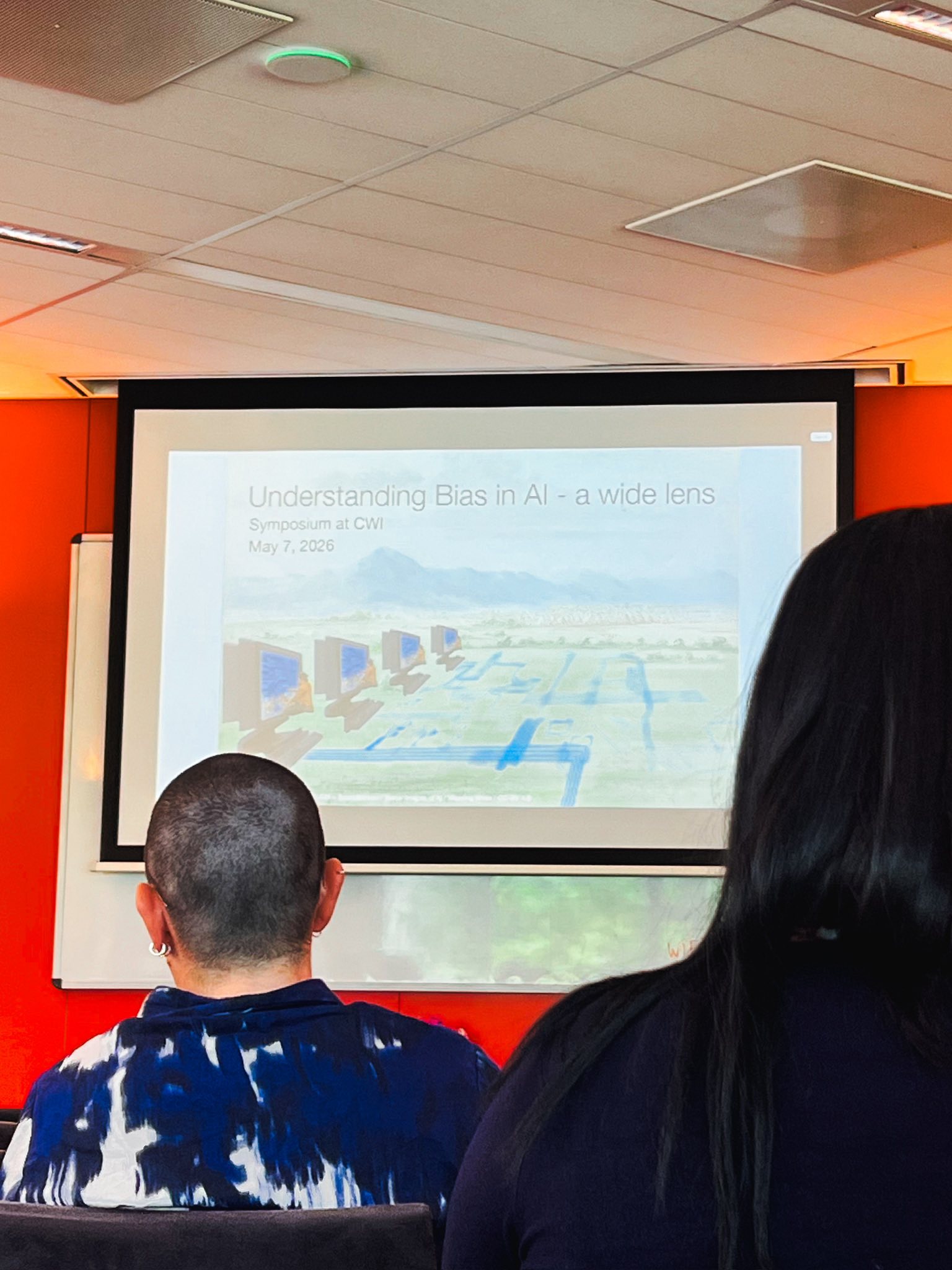
The room was packed with researchers, professors and PhD students working deeply on AI across different domains. People like me — from industry — were probably fewer than ten.
Slots were limited too. I was happy I got one.
03 — The badge
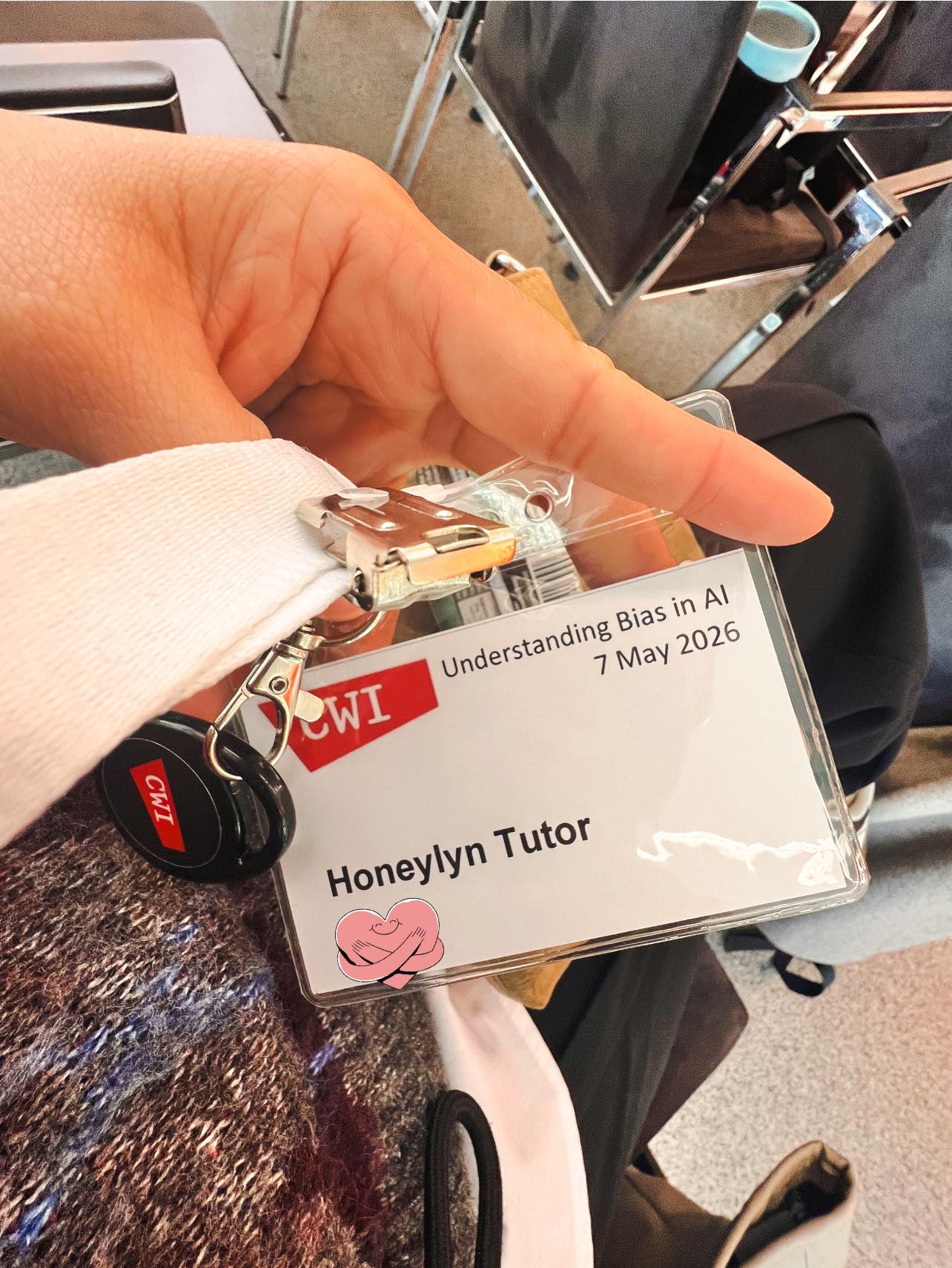
Closer to this than I knew.
The topic was Understanding Bias in AI, and every talk was rooted in active or past research. It's something I've worked on seriously since last year.
But sitting there, I realized I'd actually been close to this space since 2019.
04 — The lens
Explainability was always about fairness.
The ML models I worked on back then — especially the explainability layer around them — were fundamentally about fairness, by mitigating bias.
It just wasn't mainstream yet, and wasn't always framed as AI. But that work quietly gave me a lens: models can be used to push back against bias. It is possible. There are methods that help.
⚖️ Bias mitigation wasn't a buzzword back then. It was just good modeling.
05 — One talk in particular
A news company, and a choice.
One research example stayed with me: how a news company optimized its ML models to recommend content to its audience.
There's a balance that shouldn't be overlooked — and there was even a formula for how to debias it. But sometimes, or most of the time, companies optimize for clicks.
06 — The other seat
The person beside me.
He turned out to be a data scientist working for the 🇳🇱 government on the EU AI Act — his research circled the same topic. He introduced himself and shared papers he thought were relevant to my work.
🙏 Thankfully, Ademar trained me how to read research papers and actually get through understanding them.